

How Greek Tourism Can Unlock The $40B South Korean Market

While the Greek travel industry, and especially the hospitality industry, remains focused on competing over traditional Western markets, a multi-billion dollar opportunity is unfolding in East Asia. South Korea’s outbound tourism expenditure is scaling aggressively, projected to break past $40 billion by 2029. Yet, for the Greek travel industry, this remains a largely untapped blue-ocean market.
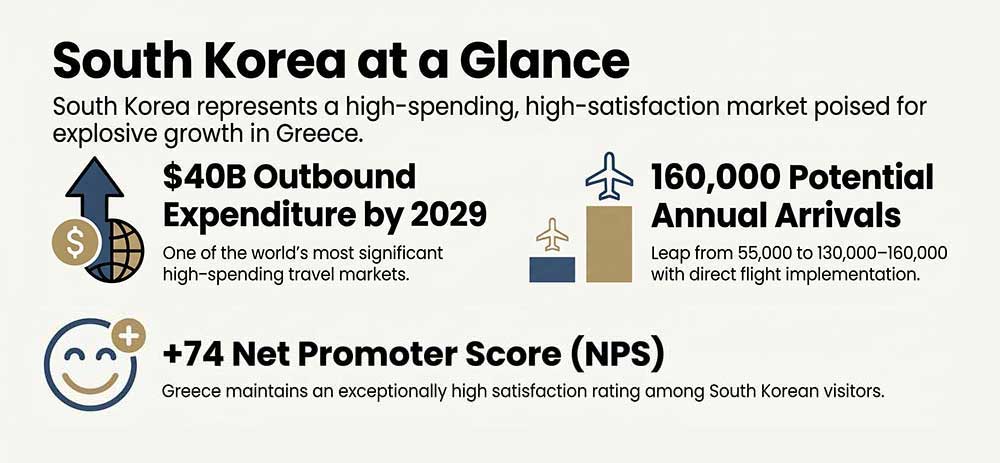
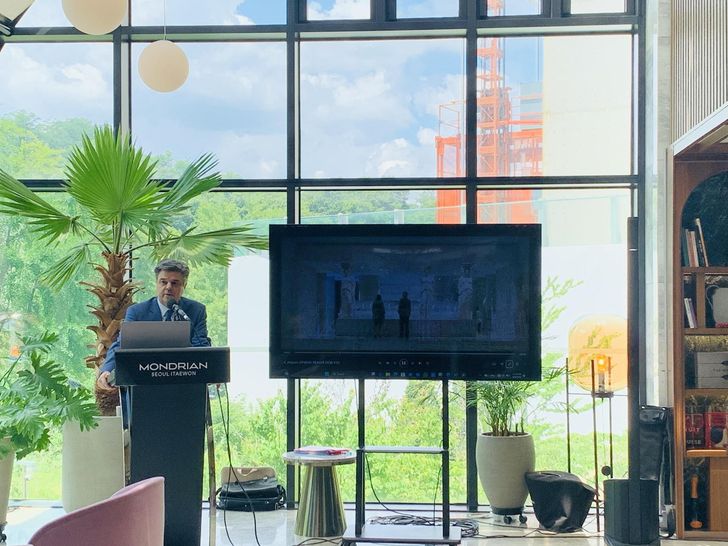
To unlock the full potential of the South Korean market, Greece must move beyond outdated perceptions of South Korean outbound travel. The era of large, coach-based package tours has steadily declined, replaced by a highly independent traveler who values flexibility, authenticity, and personalized experiences. Today, Free Independent Travelers (FITs) represent the driving force behind South Korea’s outbound tourism market, shaping both travel demand and destination expectations.
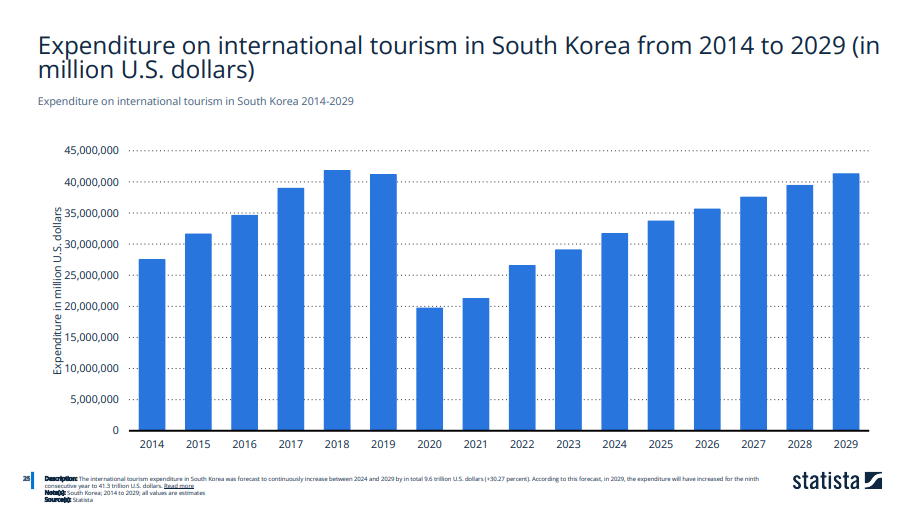
A High-Value Market Beyond the Summer Season
The true value of the South Korean market lies not just in volume, but in timing and quality. South Koreans are prime off-season travelers, actively preferring to travel during the winter months, directly counteracting the chronic seasonality issues of Greek tourism. Hospitality brands that position themselves to capture this market early will enjoy high-yield, off-season revenue. Beyond their spending power, Korean guests are highly regarded within the premium hospitality sector for their impeccable etiquette and deep respect for local culture and property, making them the ideal target demographic for premium Greek brands. These modern independent travelers are heavily driven by culture, visual aesthetics, gastronomy, and honeymoons, significantly shifting away from the traditional sun-sea-sand combination.
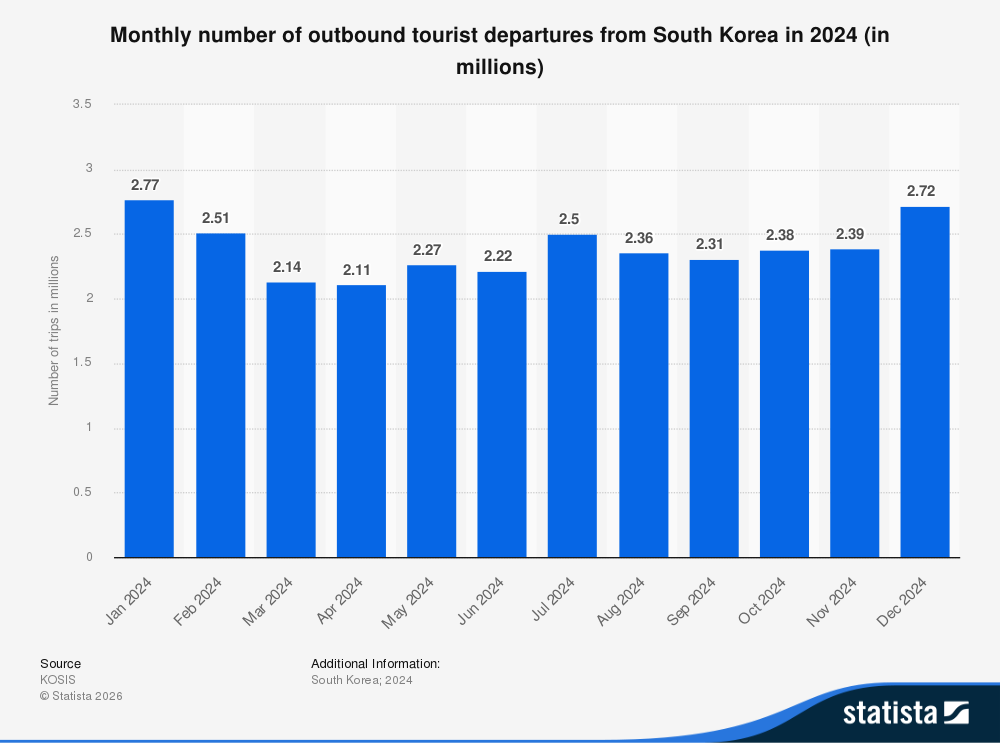
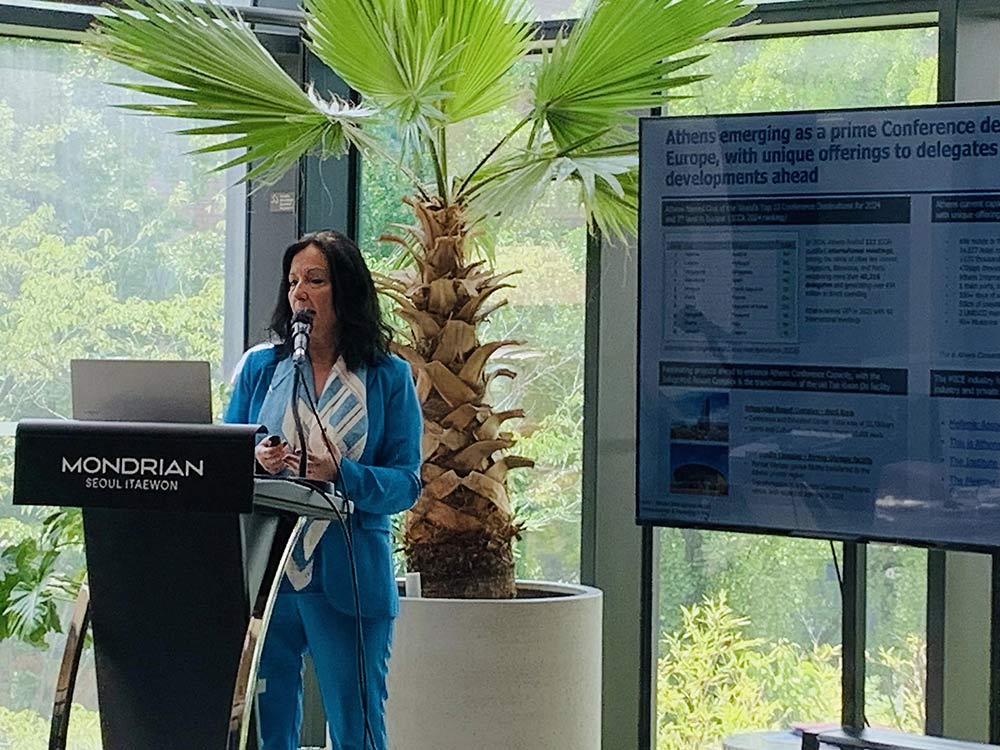
Mrs. Ioanna Papadopoulou, Director of International Affairs at Athens International Airport, delivering a presentation in Seoul during a special event dedicated to boosting tourism to Greece. Mondrian Seoul Itaewon, South Korea | Photo credit: Anna J. Park, The Korea Times
The Rise of Independent Travel
South Korea’s outbound travel market is increasingly driven by younger travelers, particularly those between the ages of 30 and 40. This group represents the largest and most influential segment of the market, with strong purchasing power and a clear preference for independent travel experiences.
Traditional escorted group tours are steadily losing relevance as today’s Korean travelers are more confident, internationally experienced, and comfortable communicating in English. They prefer the freedom to design their own itineraries and explore destinations at their own pace.

Digital channels play a central role in this transformation. A large majority of South Korean travelers now plan and book their trips independently, using online platforms to research destinations, compare options, and complete bookings without relying on traditional travel agencies.
The Traditional Tour Operating Is Losing Ground
The era of traditional B2B contracts and mass group travel is not merely slowing down. It is facing a fundamental structural decline.
Market data provides a compelling wake-up call for hoteliers who still rely heavily on the traditional tour operating model. When analyzing the trajectory of new travel revenue shifting between 2026 and 2030, a stark reality emerges: 72% of all net-new growth is captured exclusively by independent travel channels. Consequently, the traditional wholesale package market is left competing over a shrinking 28% slice of expansion.
The Shift to Digital Dominance
This dramatic move toward independent travel is accompanied by the overwhelming dominance of digital infrastructure.
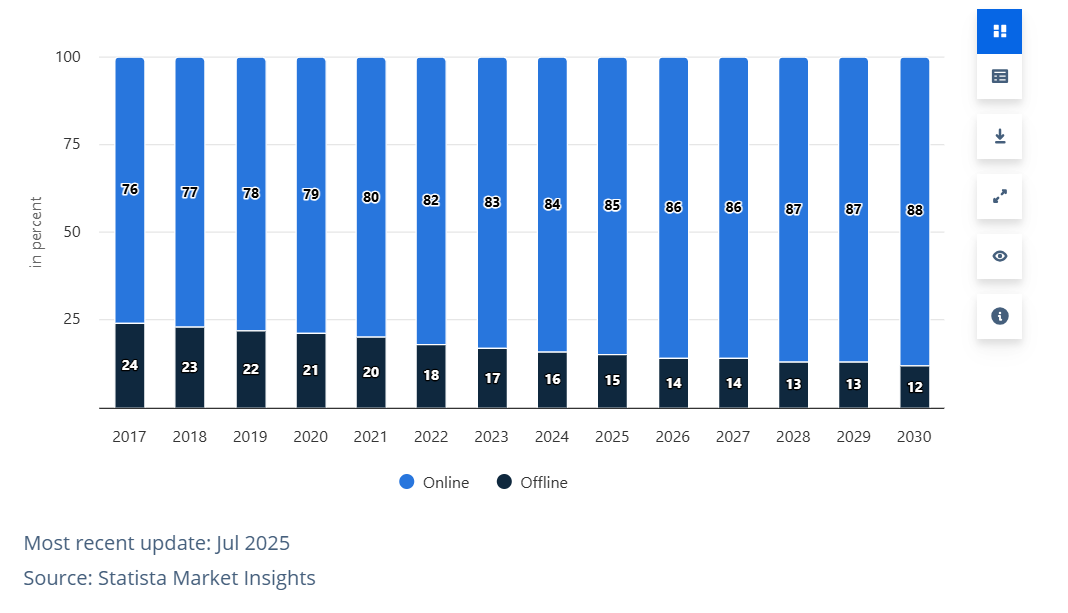
By 2030, 87% of all travel revenue in South Korea will be generated through online channels. This completely bypasses the traditional, offline physical storefront that legacy tour operators rely on.
In this increasingly digital-first environment, the absence of Greek hotels from South Korea’s dominant digital ecosystems, such as Naver and Kakao, represents a major strategic risk. Because South Korea functions as a completely walled digital garden, standard Western SEO strategies simply do not register. As Korean travelers continue to plan, validate, and book their journeys through native platforms, hotels that fail to establish a strong footprint within these ecosystems risk becoming virtually invisible to one of the world’s most affluent outbound markets.
The Digital Blind Spot
Reaching South Korean Travelers Where They Actually Search
While Greece enjoys strong international appeal, many European destinations have invested for years in building a consistent presence across South Korea’s digital landscape. Countries such as France, Switzerland, Austria, the Czech Republic, and the United Kingdom maintain official Korean-language content channels and actively engage audiences through the platforms that Korean travelers use every day.
This highlights one of Greece’s biggest challenges in the market, the limited visibility on the digital channels that influence travel planning and purchasing decisions.
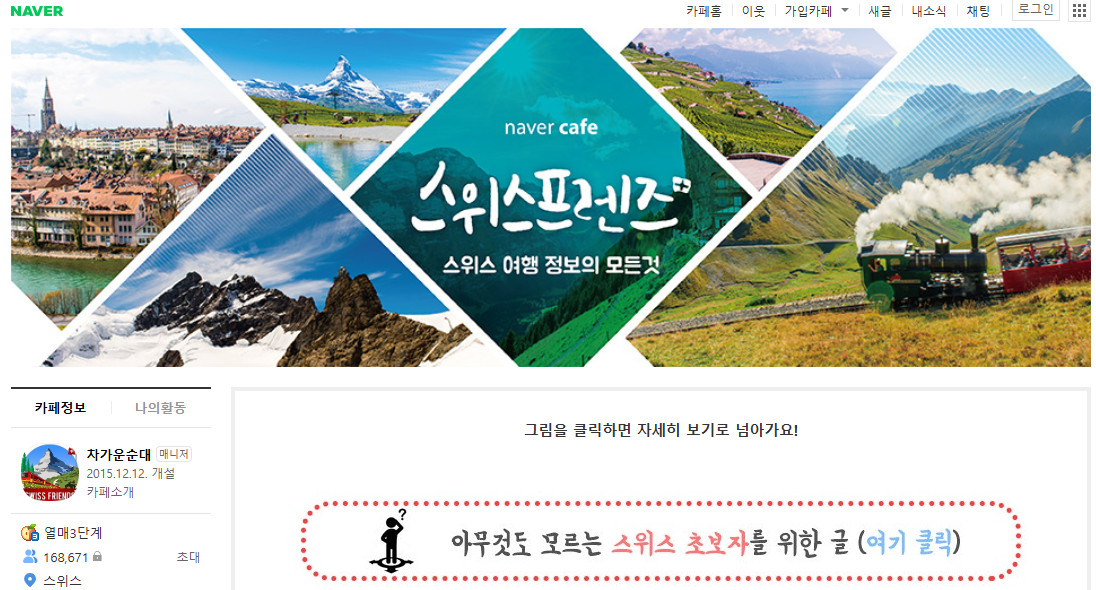
Official Switzerland Tourism presence on Naver Cafe.
Unlike most Western markets, South Korea operates within a distinct digital ecosystem. Naver dominates online search, content discovery, and travel research, while Kakao serves as the country’s primary communication platform. As a result, a strong English-language website or an active Instagram presence alone is often not enough to effectively reach Korean travelers, particularly the growing segment of affluent independent visitors. Most major European tourism destinations maintain an official presence on Naver, South Korea’s dominant search and content platform. Countries such as Switzerland, France, Türkiye, Austria and many others invest heavily in localized content to engage Korean travelers long before they begin planning their trips.
The Greek Opportunity: 9-Day Stays, hotel Preferences, and an Exceptional +74 NPS
Data presented by Athens International Airport highlights the exceptional value of South Korean FIT travelers visiting Greece. On average, Korean visitors stay in the country for nine days, including four full days in Athens, generating significant economic impact across multiple destinations.
This high-value traveler segment demonstrates a strong preference for hospitality experiences, with approximately 60% choosing hotels and resorts during their stay. Their travel behavior aligns perfectly with Greece’s growing portfolio of upscale and boutique hospitality brands.
Equally important is their exceptionally high level of satisfaction. Greek tourism brands achieve a remarkable Net Promoter Score (NPS) of +74/100 among South Korean travelers, a score that reflects outstanding guest experiences and strong emotional connections with the destination.
Panadvert’s Local Presence in South Korea
Recognizing this opportunity, Panadvert established a presence in Seoul following an extensive 18-month market study. Through our Business Developer, Antonis Giannatos, and local market specialists, we work directly within the Korean market, developing strategies tailored to local consumer behavior and digital habits.
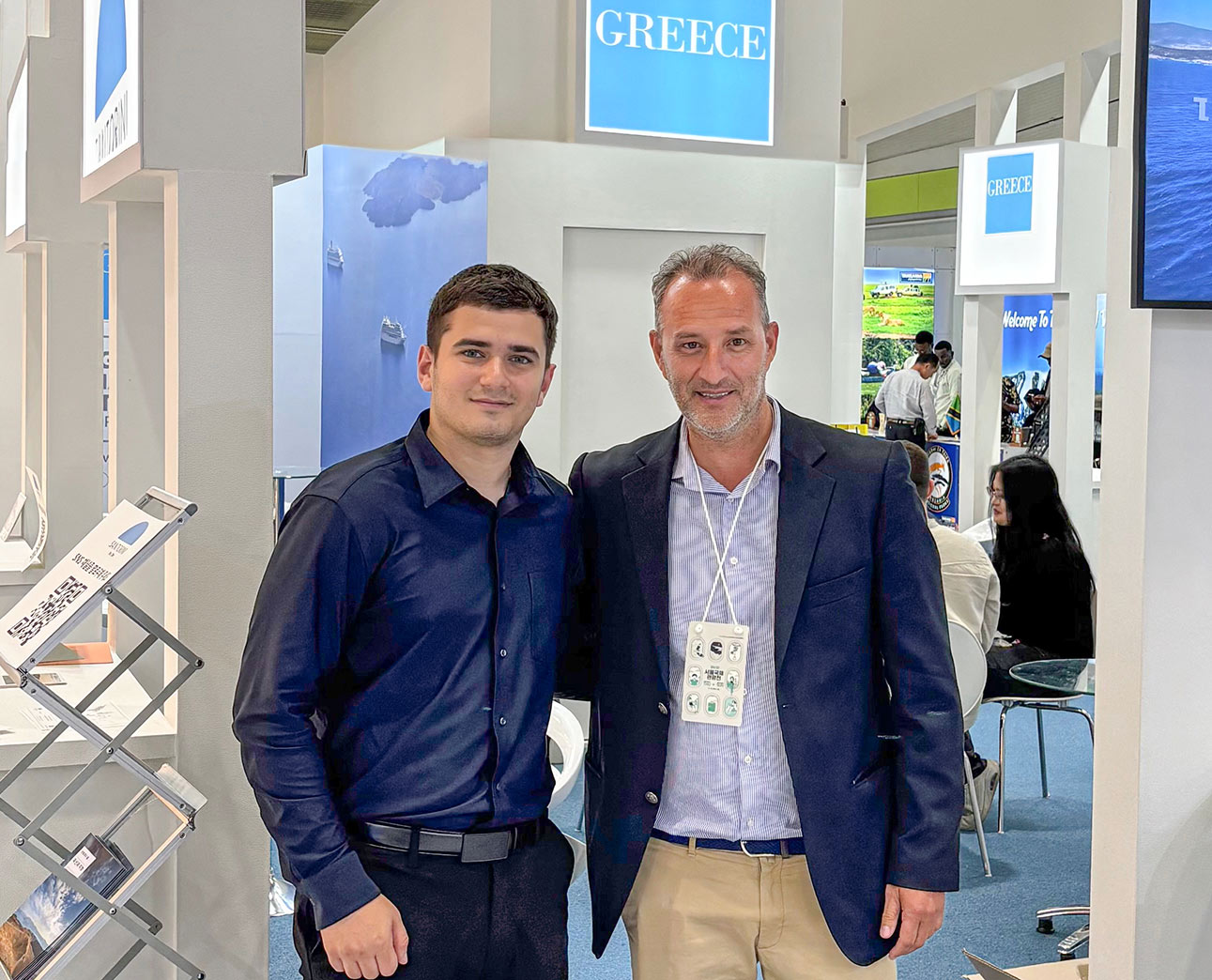
Antonis Giannatos – Business Developer at Panadvert, with Mr Vaios Dimopoulos, from the Advertising Department of the Greek National Tourism Organization, at the COEX Tourism Fair 2026 in Gangnam, Seoul.
Representing Panadvert on the ground, our Business Developer, Antonis Giannatos, alongside our South Korean Representative, Jake Cho, engaged in high-level strategic discussions at the Greek pavilion with GNTO officials.
Our focus is to help Greek hospitality brands and destinations build direct visibility and credibility among South Korean travelers while reducing dependence on high-commission intermediaries. Through targeted activity across Naver Blogs, Naver Café, local influencers, PR firms, and Kakao Channels, we create the digital infrastructure required to capture demand at the research and booking stage.
As awareness of Greece continues to grow in South Korea, hotels and tourism brands that establish an early presence on these platforms will be better positioned to build recognition, strengthen trust, and increase direct bookings from one of Asia’s most dynamic outbound travel markets.
The question is no longer whether South Korea matters to Greek tourism. The question is which destinations, hotel brands and tourism organizations will establish their presence first.

Top Digital Trends in Hospitality 2026 – The Applied Intelligence Era
Panadvert Talks – Listen to the Podcast Version Thirteen years back, we started tracking where

Meta or TikTok? Choosing the Right Platform for Your Hotel’s Digital Success
How each platform helps hotels boost visibility, engage travelers, and drive bookings. In the com

Research: Polish Market’s Demand for Greece
Table of Contents Introduction In the realm of tourism, understanding market dynamics is crucial for